
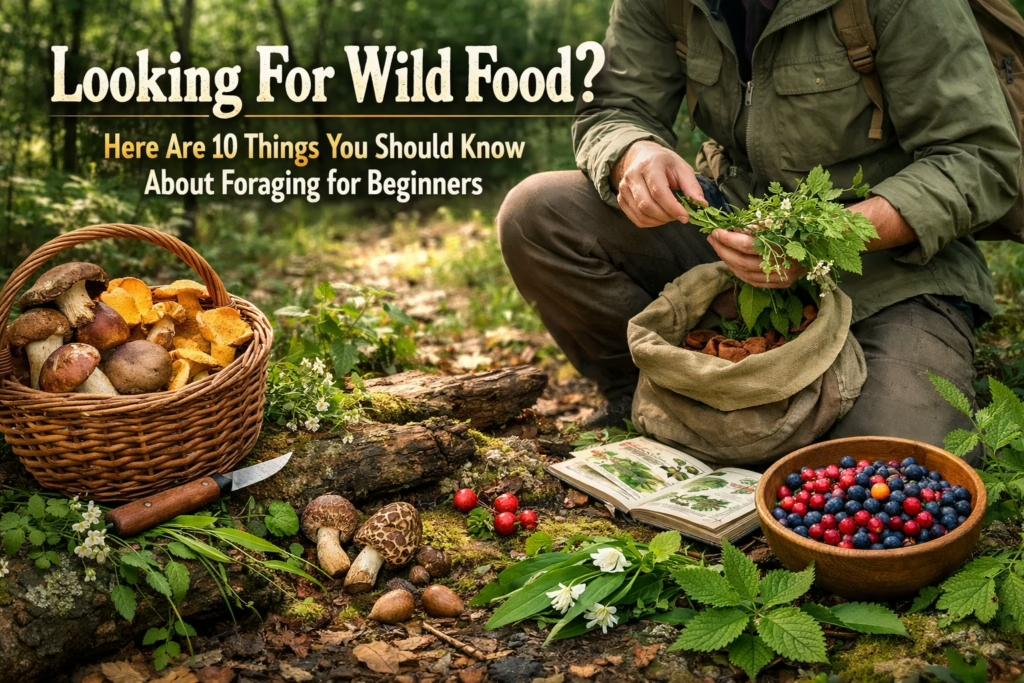
Nature is a supermarket without the checkout queues. You just need to know where to look. Walking through the woods isn't just exercise; it is a treasure hunt. Foraging for beginners is about more than finding free snacks. It is about reconnecting with the land. It is a fundamental part of bushcraft skills. But before you start filling your pockets with berries, you need a strategy. The wild is generous, but it is also unforgiving.
Foraging is the ultimate survival skill. It turns a hike into a mission. It sharpens your senses. You stop seeing a wall of green and start seeing individual species. This transition is powerful. However, the learning curve can be steep. You don't want to learn the hard way. One mistake can be your last.
Ready to step off the path and into the larder? Here are 10 things every beginner needs to know before they take their first bite.
1. Absolute Certainty is the Only Rule
If you are 99% sure, you are 100% wrong. This is the golden rule of foraging. There is no room for "maybe" in wilderness survival. Some plants are delicious. Others will shut down your kidneys. Beginners often get overconfident. They see a white flower and assume it’s Elderflower. It might be Hemlock Water Dropwort: one of the most toxic plants in the UK.
Never consume anything without 100% confidence in its identity. You need to know the plant in all its stages. What does it look like as a shoot? How does it change when it flowers? If you can’t identify it with total authority, leave it alone. Safety is not a suggestion; it is a requirement.
2. Start with the "Easy Wins"
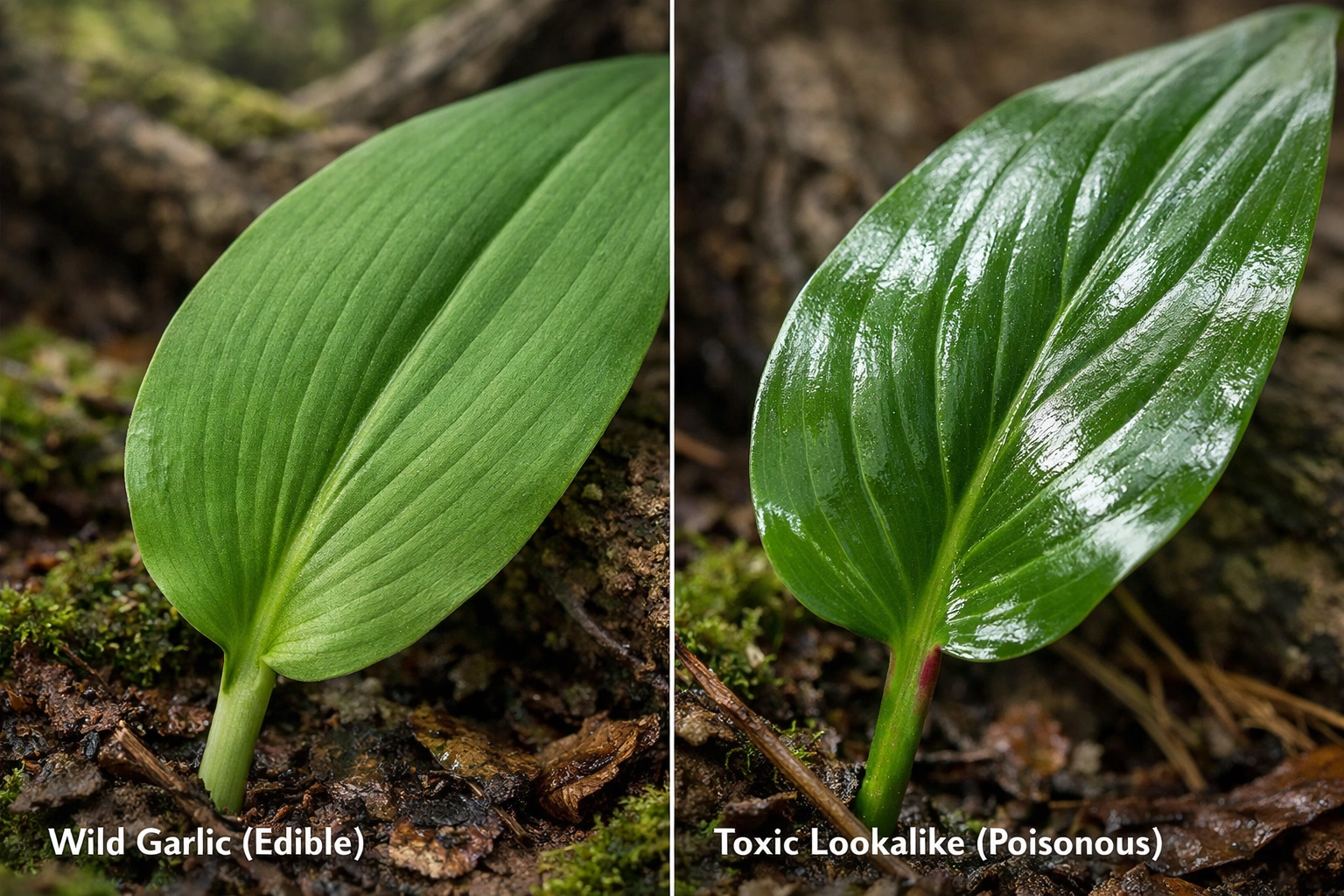
Don't try to learn the entire forest in a weekend. You will burn out. You will make mistakes. Instead, focus on three to five species that have no dangerous lookalikes. These are your "gateway" plants. They build your confidence without the high stakes.
Look for Wild Garlic, Wood Sorrel, and Stinging Nettles. Wild Garlic (Ramsons) is unmistakable by its scent. Wood Sorrel looks like a shamrock and tastes like zingy lemon. Nettles are everywhere and make a superior soup. Master these first. Once you know them inside out, add one or two more species to your repertoire. Slow and steady wins the race.
3. Invest in Physical Field Guides
Digital screens are great, but paper is reliable. Apps can glitch. Batteries die. Signal drops exactly when you need it. A physical field guide is a permanent resource. It doesn't need a 5G connection to work.
Carry your guides into the field. Don't just study them at home. You need to compare the physical plant in your hand to the professional illustrations in the book. Look for specialized guides rather than general "nature" books. Look for titles that focus on specific regions or types of foraging, like fungi or coastal plants. Richard Mabey’s Food for Free is a classic for a reason. Start there.
4. Learn to Speak the Language of Botany
Dichotomous keys are your secret weapon. This sounds technical, but it’s just a series of "either/or" questions. Is the leaf serrated or smooth? Is the stem square or round? Following these keys forces you to look at the details you would otherwise miss.
Mastering this system is the fastest way to build real bushcraft skills. It moves you away from "guessing" based on a photo. It teaches you the anatomy of plants. When you understand why a plant is classified a certain way, your identification becomes scientific. It becomes objective. That is where true expertise begins.
5. Don’t Trust Your Phone Implicitly
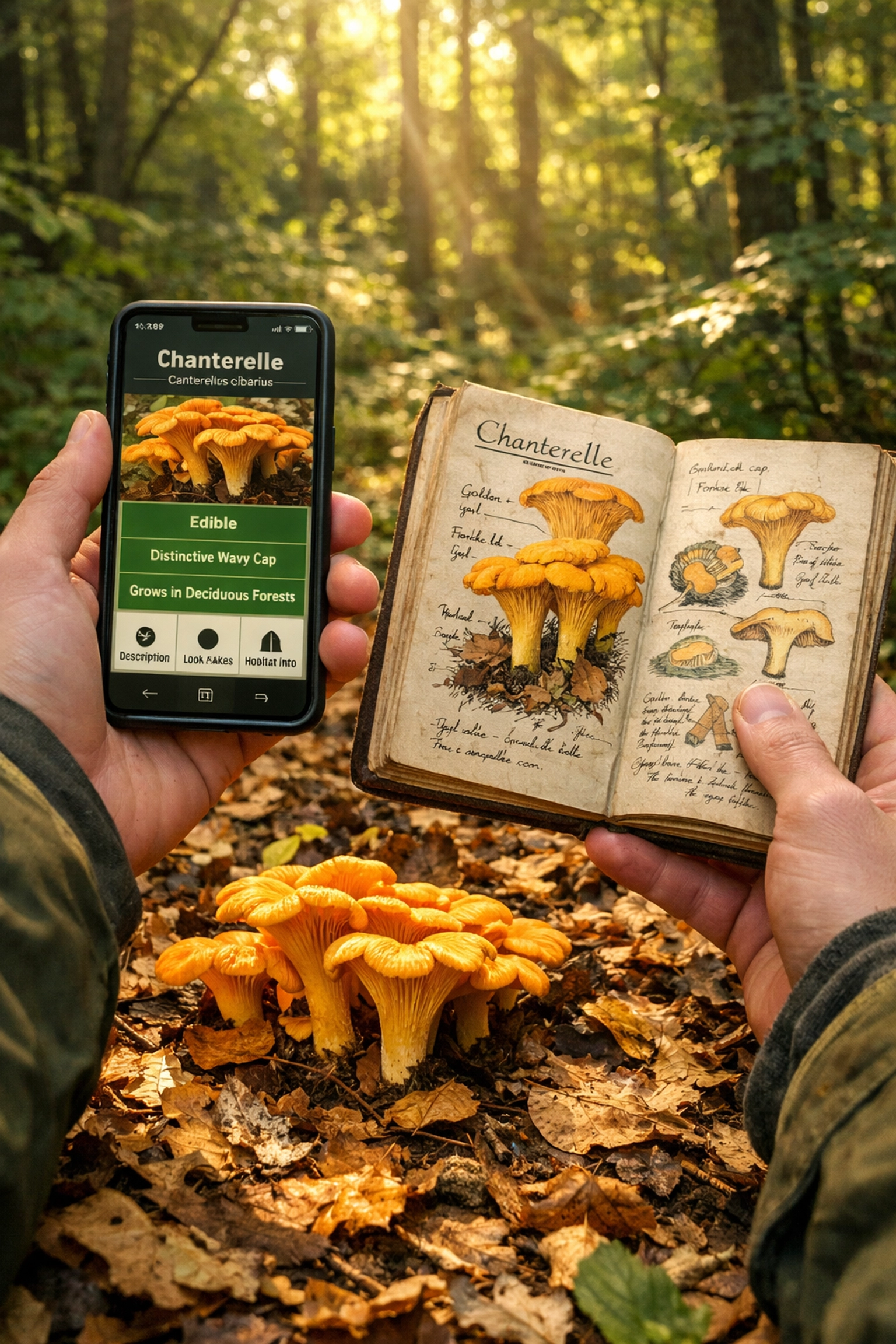
Identification apps are a starting point, not a final answer. They are tools, not gods. Algorithms can be fooled by lighting, leaf damage, or similar-looking species. Using an app to decide what to eat is dangerous.
Use iNaturalist or similar tools to get a lead. Once the app gives you a suggestion, verify it. Grab your field guide. Check the dichotomous key. Look at the habitat. Does the plant belong here? If the app says it’s a mountain herb but you’re in a swamp, the app is wrong. You are the final judge.
6. The "One Bite" Rule for Allergies
Edible doesn't mean edible for you. Everyone's body is different. You might have an undiagnosed allergy to a perfectly safe plant. Foraging for beginners requires a cautious approach to your own biology.
Test new species in small amounts first. When you are 100% sure of the identification, eat a tiny portion. Then wait. Check for a tingle in your mouth or an upset stomach. Wait 24 hours before eating a full meal. This is basic survival skills 101. It is better to be slightly hungry than very sick.
7. Know Which Part to Pick
A plant is not a single entity; it is a collection of parts. Just because the berries are edible doesn't mean the leaves are. In some species, the root is toxic while the flower is a delicacy.
Research the specific preparation methods required. Some wild foods are toxic when raw but nutritious when cooked. Take the Elderberry, for example. You should never eat them raw; they contain cyanogenic glycosides. Cook them, and they become a potent immune booster. Understanding the "how" is just as important as the "what."
8. Avoid the "Toxic Three": Roads, Chemicals, and Dogs
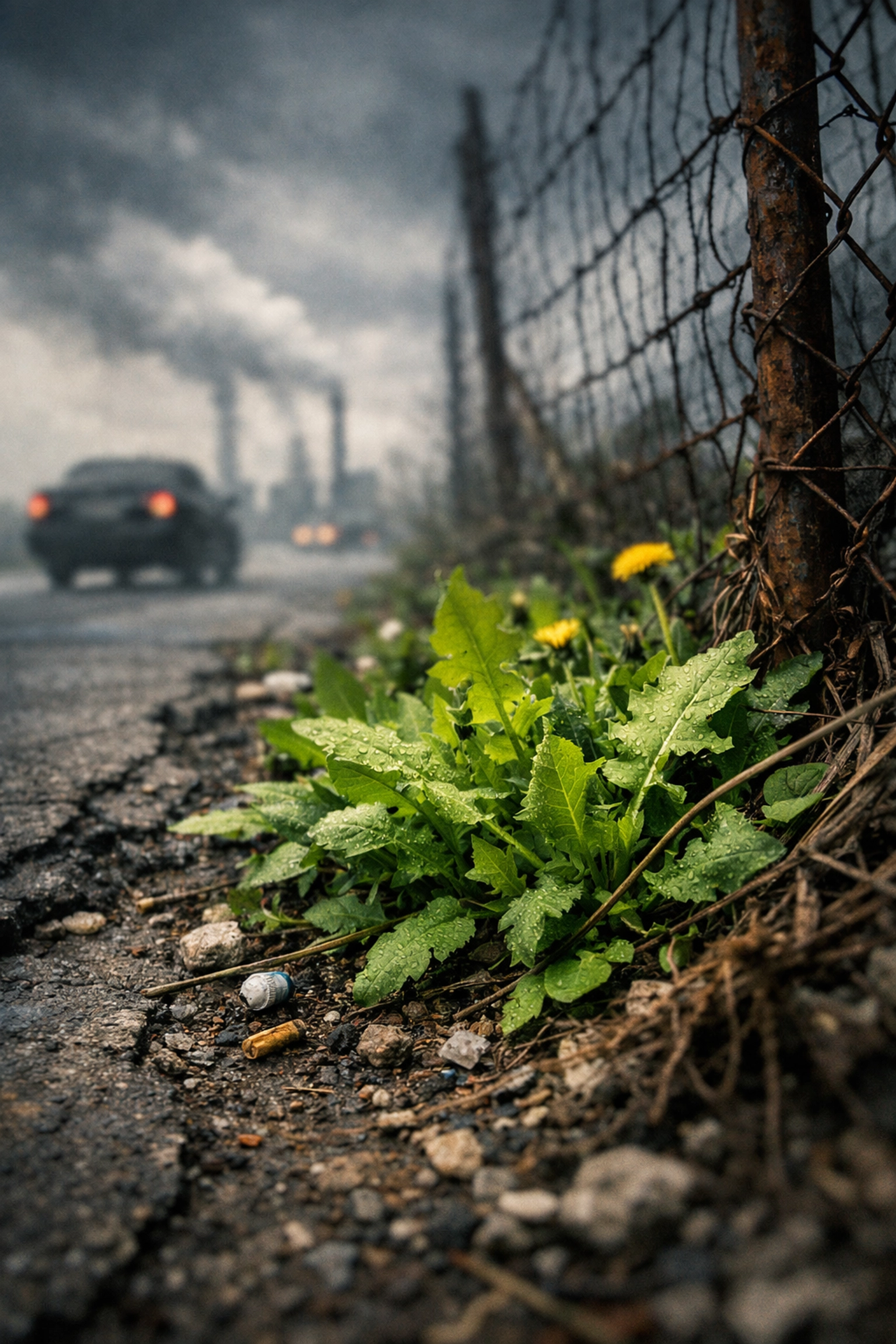
Where you harvest is as important as what you harvest. Plants are sponges. They soak up whatever is in the soil and the air. You don't want a side of diesel with your salad.
Stay away from road verges. Heavy metals from exhaust fumes settle on the foliage. Avoid the edges of conventional farmers' fields; they are often sprayed with pesticides and herbicides. Finally, think about the "dog pee height." If it’s growing right next to a popular hiking trail at a certain height, leave it. Head deeper into the woods for the clean stuff.
9. Practice the 1-in-20 Rule
Foraging should be sustainable, not destructive. You are a guest in the woods. If you strip an area bare, you destroy the local ecosystem. You kill the chance for that plant to return next year.
Never take more than you need. A good rule of thumb is the 1-in-20 rule: only harvest if there are at least 20 healthy plants in the area, and only take one. If a plant is rare, leave it. If you’re harvesting mushrooms, use a rigid basket so the spores can drop through the gaps as you walk. You are helping the forest grow while you eat.
10. Get Professional Training
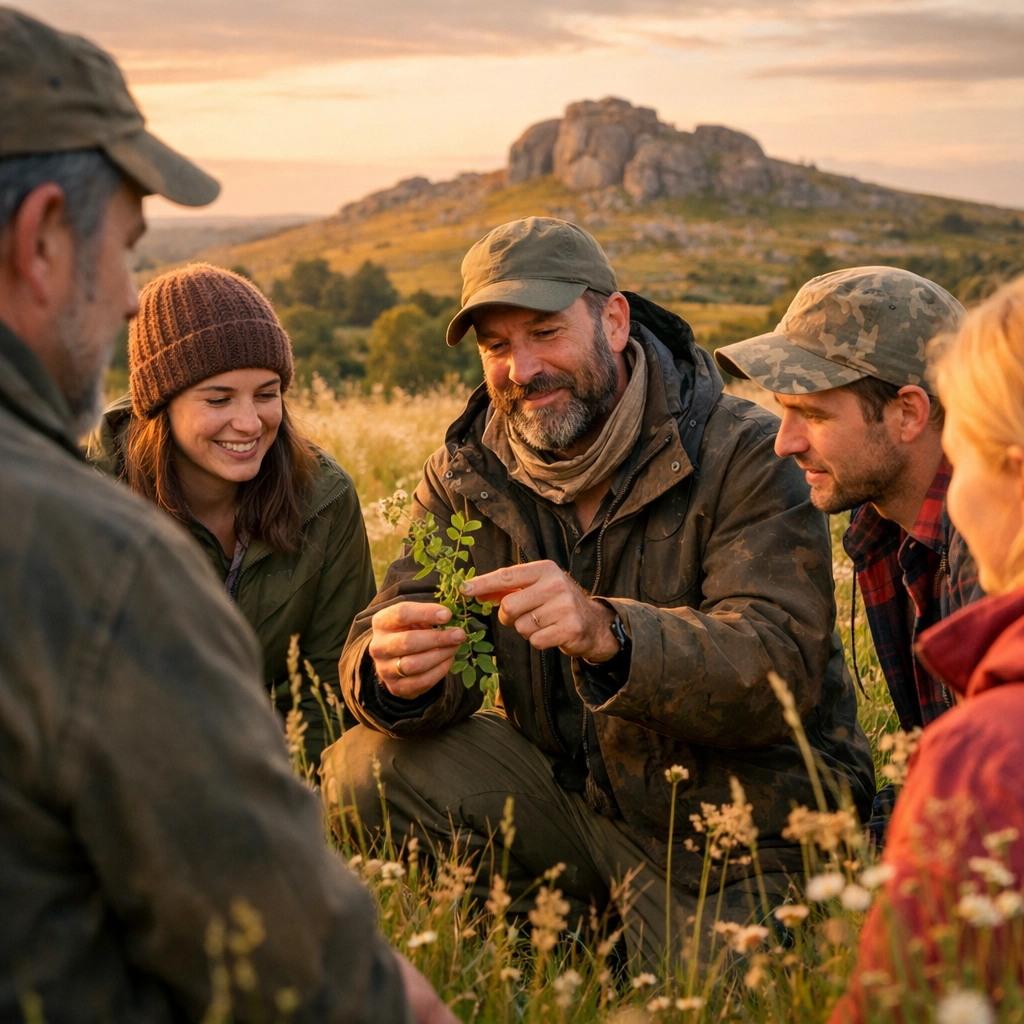
There is no substitute for a real mentor. Books and videos are great, but they can't answer your specific questions in real-time. You need someone to show you the subtle difference in leaf texture or the specific smell of a root.
Devon and Cornwall Bushcraft offers expert courses. We operate in the stunning Devon and Cornwall countryside, teaching you how to navigate the wild safely. Whether you are looking for foraging for beginners or advanced wilderness survival, we provide the hands-on experience you need. Learning in the field with experts is the fastest way to turn a hobby into a life skill.
Gear Up for the Woods
Success in the wild depends on your tools. You don't need a lot, but what you have must work. A sharp knife is essential. We highly recommend the Bahco Laplander Saw & Knife set for any budding forager. It’s durable, reliable, and perfect for processing wild finds or clearing a path.
The wilderness is waiting. Foraging is a journey that lasts a lifetime. It changes the way you see the world. It makes you more resilient. It makes you more connected. Start small, stay safe, and never stop learning.
Ready to take the next step? Check out our upcoming courses and events and join us in the woods. Your first wild meal is closer than you think.
