Emergency Preparedness in the UK: A Practical Guide for Your Home
Emergency preparedness can sound dramatic. In practice, it means being able to manage an ordinary disruption: a power cut, water outage, storm, flood warning or a temporary loss of phone and internet service. A few supplies and a short family plan can make the first few days much easier.
The UK Government’s Prepare guidance suggests simple steps that households can take over time. You do not need to buy everything at once. Start with what your household actually uses, including any medication, baby supplies and pet food.
October 2026 update: UK Government Be Ready checklist
The Government’s Be Ready guidance recommends preparing to manage three days of disruption, starting with what you already own. Its checklist includes water, ready-to-eat food, lighting, an FM radio, a charged power bank, warmth, medicines and practical household plans. It suggests 3 litres of drinking water per person per day, with more needed for cooking and hygiene. Build supplies gradually and check them around every six months.
Start with a plan for three days
Three days is a useful first target for building a household kit. The Government advises considering what you might need during an emergency lasting a few days, while the British Red Cross recommends three days of water and ready-to-eat food in its power cut advice. The right amount depends on your family, health needs and the disruption. Keep everyday supplies in rotation so they are used before they expire.
A practical household emergency kit
- Drinking water: the Government cites 2.5–3 litres per person per day as a survival minimum for drinking. Around 10 litres per person per day also allows for some basic cooking and hygiene. Allow extra for babies, medical needs and pets.
- Food that needs no cooking: familiar, long-life meals or ingredients, plus a manual tin opener. Consider food for children and pets.
- Light: battery or wind-up torches and spare batteries. Torches are safer than candles.
- Power and information: charged power banks, charging leads and a battery or wind-up radio.
- Health and hygiene: a first aid kit, essential medication, hand sanitiser, wet wipes and any personal care items your household needs.
- Warmth: warm layers and blankets that are easy to find in the dark.
- Useful paperwork: important numbers on paper, a list of regular medicines, insurance details and a small amount of cash where practical.
Store the essentials somewhere accessible and tell everyone in the household where they are. Check batteries, dates and changing family needs every few months. If you need to leave because of a fire, leave immediately: do not delay to collect a kit.
What if the electricity goes off?
Know where your torch is before you need it. Keep your phone charged when severe weather is forecast, and use a radio for updates if internet or mobile service is affected. In England, Scotland and Wales, call 105 to report a power cut. Keep fridge and freezer doors closed and follow Food Standards Agency advice before eating food after a prolonged outage.
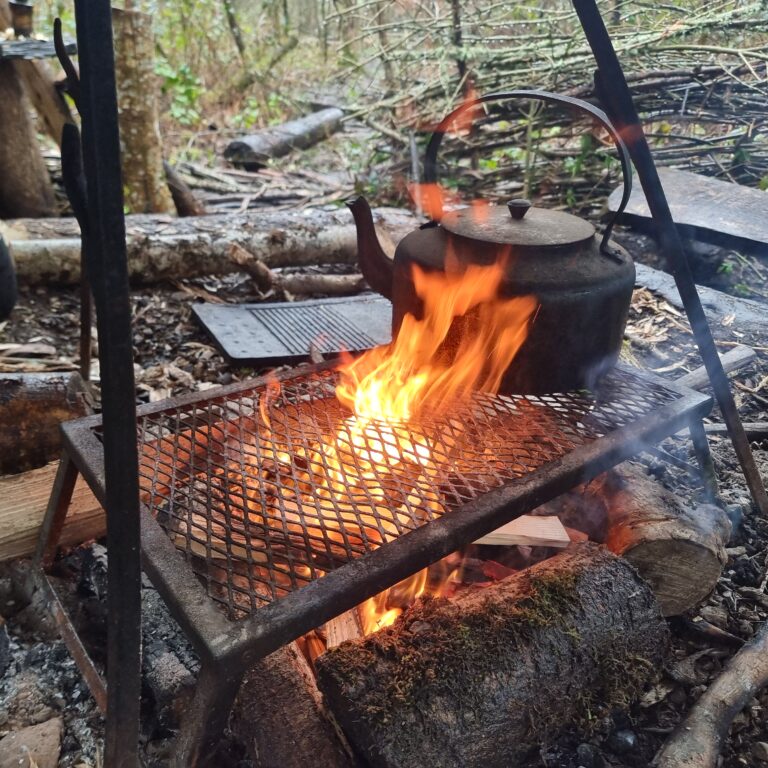
Put on layers, use blankets, close curtains and shut doors to unused rooms. If you have an outdoor stove, barbecue or fire kit, never use it inside the house, a tent, a garage or another enclosed space: carbon monoxide can be fatal. Plan meals that need no heating, and only use outdoor cooking equipment outside and in accordance with its instructions.
What if the water goes off?
Stored bottled drinking water gives you an immediate buffer. Follow any notice from your water supplier about whether tap water is safe, and prioritise drinking, necessary medication and safe food preparation. Hygiene needs also matter, so keep hand sanitiser and wipes with your kit. If someone in your household depends on water for medical equipment, make a specific plan with their care provider and supplier.
Make a family plan before you need it
Write down emergency contacts, your address, the number for the local power network, and any medication or support needs. Agree how you will contact each other and where to meet if you cannot get home. Check that schools have current contact details. Show children how and when to call 999, and learn where the water, gas and electricity shut-offs are. If anyone needs additional support during an outage, check eligibility for the suppliers’ Priority Services Registers.
The Government provides a printable household emergency plan and local hazard information, including flood risk. Check on neighbours who may need help when it is safe to do so.
Skills make your kit more useful
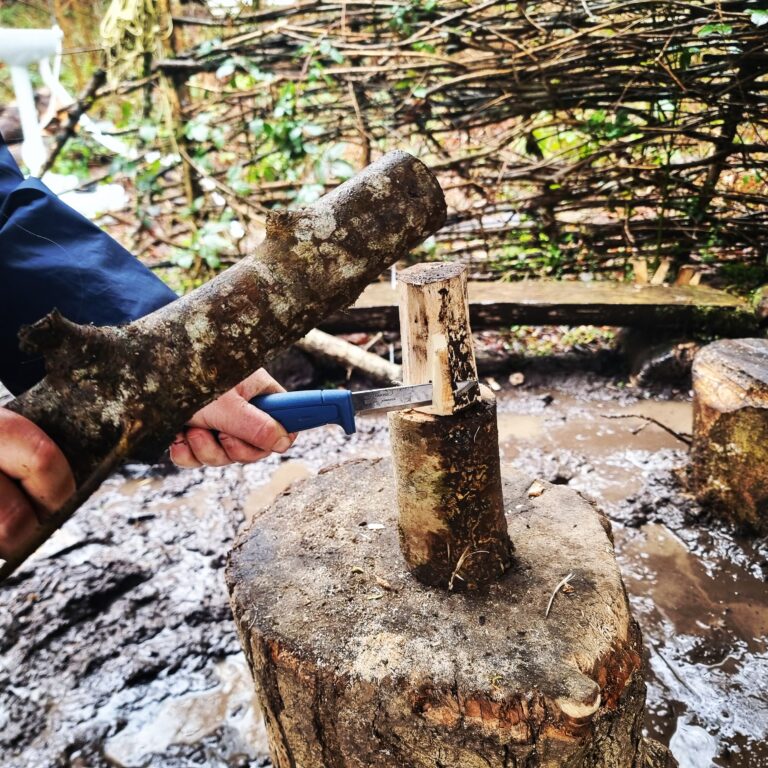
At Devon and Cornwall Bushcraft we teach people to stay calm, work through a problem and use equipment safely. Outdoor fire lighting, shelter, navigation and cooking are enjoyable skills to practise in a supervised woodland setting. They can build confidence and adaptability, but they do not replace a safe plan for your home, first aid training or official advice during an emergency.
If you would like to develop those outdoor skills, explore our bushcraft courses in Devon, survival courses or private family experiences. For current dates, see courses and events.
One small step today
Put a torch, phone power bank and written contact numbers in a known place. Then add water and food as your budget allows. Being prepared is a series of manageable steps, not a shopping spree. For the latest official advice and guidance specific to your area, visit GOV.UK Prepare.